Maryanna's Wedding - 1908
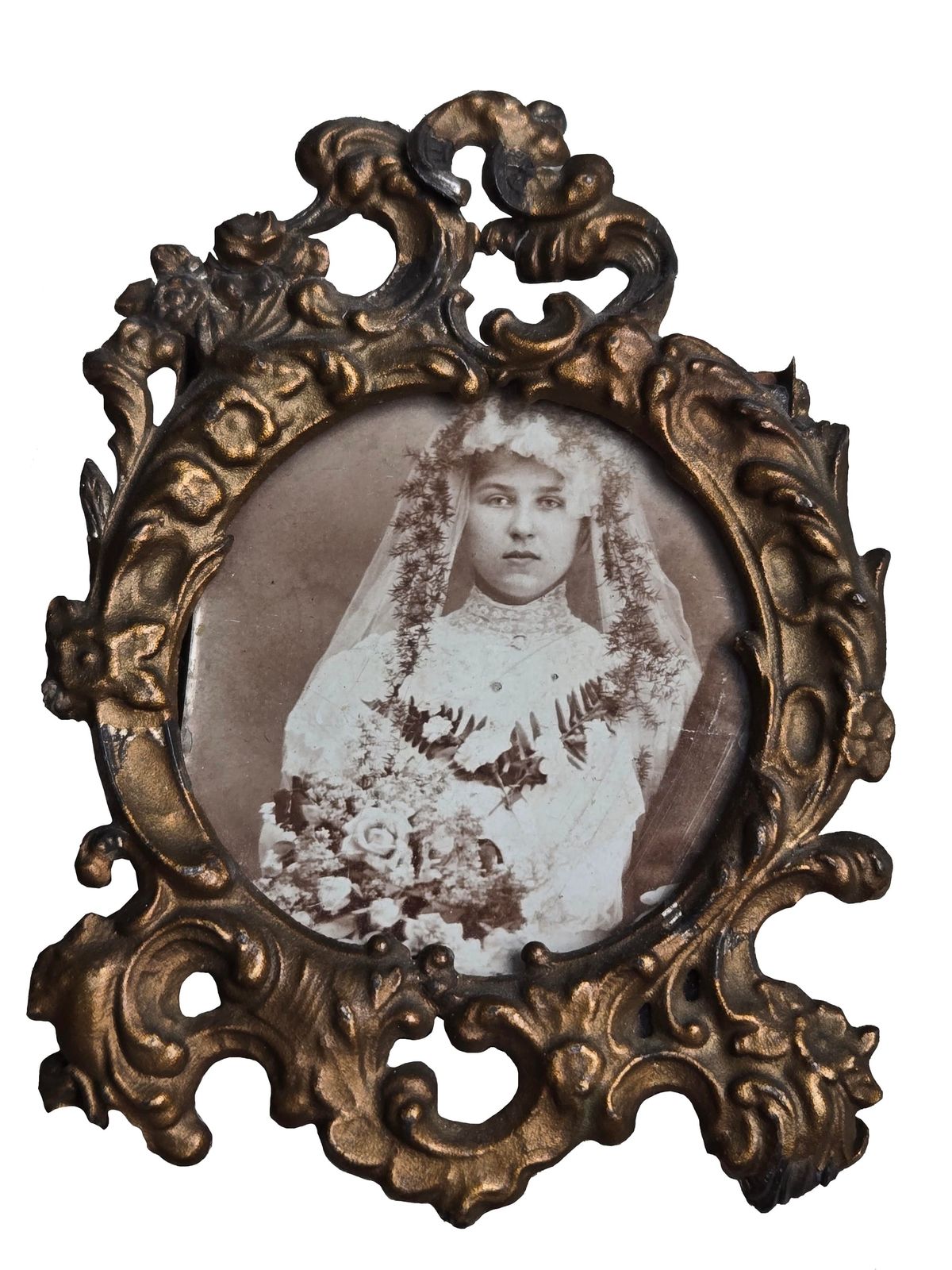
UPDATED: This is my Mom's mom, Maryanna. My grandma. I never knew her. I will be adding this post to the "Audrey" page. She is 19 years old in this picture - not 14 as previously stated. I was wrong. Again. Thank you for pointing it out. But honestly, does she look 19? Does she look happy? She does look beautiful but nervous? Apprehensive? What is that look? It's for her wedding to my grandfather, Piotre P. 'Peter' Grala, age 22, in Dorchester, Massachusetts on Saturday, May 16, 1908. Maybe serious face was the proper face for the time. On that day, it was cloudy and showers fell in the afternoon.
Piotre P. 'Peter' Grala
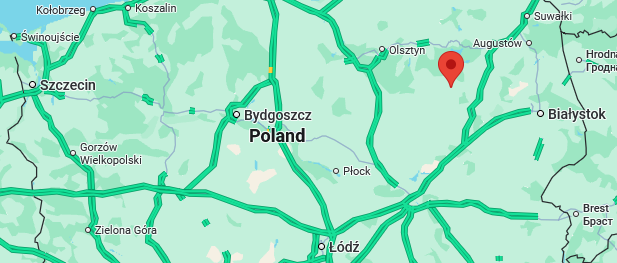
He was born June 29, 1886 (or so it is listed on an Ancestry), in Wanacja Kolno Lomza, Kujawsko-Pomorskie, Poland. No, I cannot pronounce it but it's a real place in the mountains of eastern Poland. He immigrated to the United States in 1905 according to records. I added some immigration info for the 1900s below. I think this is Wanacja:
Anyway, his kids and those grandkids who met him called him "Pops". According to accounts, he was a successful tailor. He purchased a boarding house in Dorchester. Then bought the family a farm in Boxbourgh, Massachusetts.
Mary
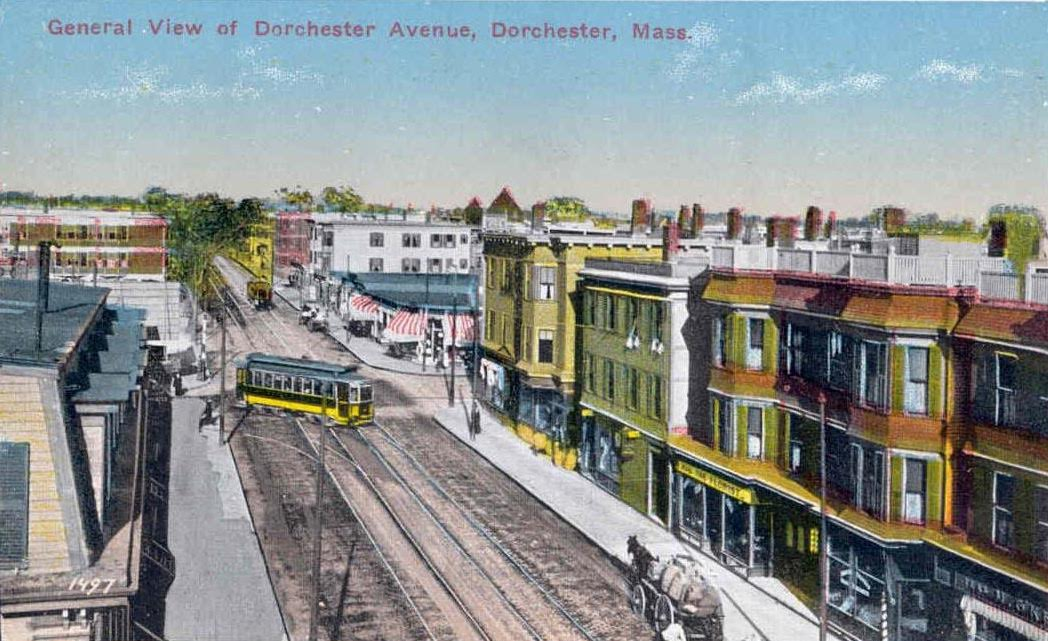
Peter and his first wife, Mary lived closed by each other and worked at the same place so that's how they met and fell in love. He married her in 1907. She was 19 years old. Mary became pregnant right away and gave birth to a child named Stanley that same year. Mary became quite sick and died soon after giving birth because childbirth has always been dangerous. Peter was devastated. She was his true love. Stanley lived but was sickly. Peter wasn't capable of, or just didn't want to take care of Stanley. Maybe he blamed the child for Mary's death. Who knows. The local, neighborhood women tried but weren't happy taking care of him. I'm tempted to call them busy-bodies. The story goes that these local ladies talked Peter into marrying another Polish immigrant named Maryanna.
Maryanna
REVISED: So this is the part I got wrong. Maryanna was 19 when married. The same age as Peter's first wife and not as I previously listed as 14. Still incredibly brave of a young girl traveling alone to immigrate to the United States. She either knew people in Dorchester to connect with or made friends. A lot of immigrants landed in New York and moved all around the country. Dorchester Massachusetts was a vibrant Polish and Russian community. I don't know how much help or support she got but shortly after she married, Stanley died. There are no records about his short life. Still, it couldn't be true love this time, could it? Was it convenience? Did he save her? Considering it's 1908, there's a lot of pressure for her to marry.
Our Lady of Czestochowa
Here's the roman catholic church in Dorchester where Peter got married - both times. It's Our Lady of Czestochowa, also known as the Black Madonna, is a sacred icon of the Virgin Mary that serves as the supreme spiritual and national symbol of Poland per the Internet. Masses in both English and Polish continue. Czestochowa, BTW, is a city in southern Poland.
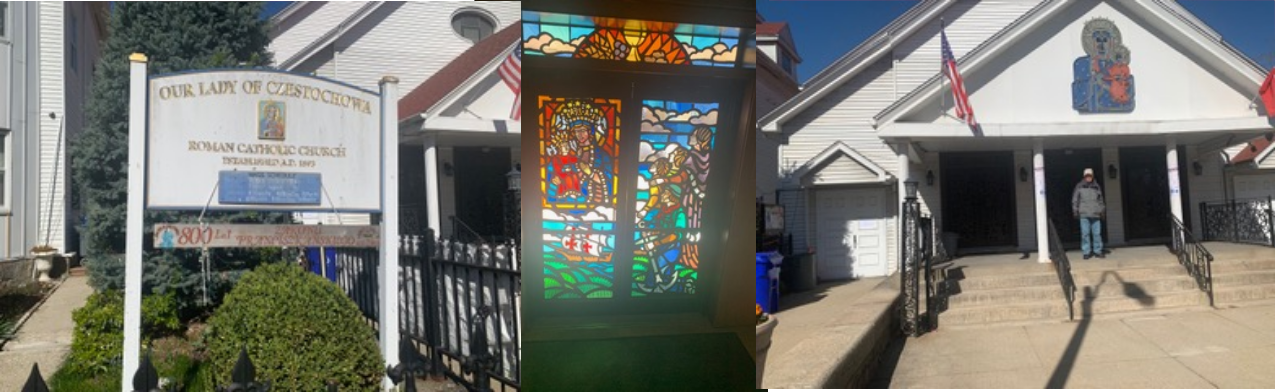
I have to redo my entire rant. She wasn't too young. She just wasn't the right Mary. She did live a long life with many grandkids. Your feedback is welcome, comment below - jan
Married in 1908, Peter and Maryanna's children:
- Emily Victoria - born Boston 6/22/1909
- Sophia Anastasia - born Boston 4/10/1912
- Helena Marcyanna - born Boston 6/10/1915
- Victoria Barbara - born Easthampton 4/30/1916 (what's way out there?)
- Edward John - born Mattspan 12/10/1918 (this is back close to Dorchester)
- Audrey Gertrude - born Boxborough 11/30/1920 (this is on the farm)
So Maryanna did spend a lot time pregnant. Having 6 kids by 30 is a lot. I've said it a million times. Back then, it wasn't "if" you'd get pregnant, but how soon. They must have purchased and moved to the farm after 1918. Now this part my Mom told me so it's reliable. By 1920, she was done. When #6, Audrey (my Mom) was born, Maryanna was broken and left her baby to cry and cry. Can you blame her? There's more to the story - check it out:
Life on the Farm by Audrey (written by Audrey Main and available on Amazon)
Here's what's happening when Peter and Maryanna get married:
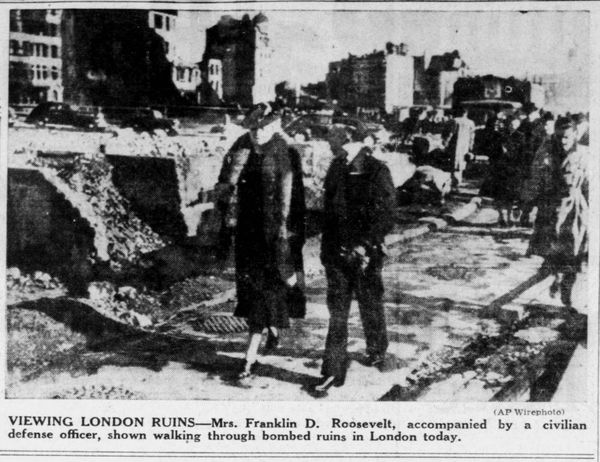
The Boston Daily Globe - May 16, 1908
Since we're not at war, the paper is all about crime. And there's a lot of it. All for just 2 cents.

Immigration in the 1900s - East Coast
I got this off the Internet. Yes, it's AI but it's a good overview. The focus is on New York and the process for someone like Peter, Mary, and Maryanna. Does it sound like once you're past the inspection, you're an American?
GOOGLE SEARCH: In the early 1900s, the U.S. immigration process was a highly centralized, bureaucratic, and physically demanding ordeal primarily managed by the federal government at major ports of entry. This era, often called the "Great Wave," saw millions of arrivals peak in 1907, with the vast majority of European immigrants being processed through the iconic Ellis Island inspection station in New York Harbor.
The immigration process in the early 1900s for most people arriving in the United States involved a rigorous 3-to-5-hour inspection at the Ellis Island station in New York Harbor.
Arrival and Preparation
- The Voyage: Millions of people traveled across the Atlantic Ocean in crowded, uncomfortable steamship steerage compartments.
- Initial Screening: First- and second-class passengers received a quick inspection on the ship and could bypass the island, while steerage passengers went to Ellis Island by ferry.
- Identification: Workers pinned numbered tags matching the ship's manifest onto the clothing of each immigrant.
Medical Inspection
- The "Six-Second Examination": Doctors watched immigrants walk up the stairs and scanned them for physical illness, breathing trouble, or lameness.
- Chalk Markings: Doctors used chalk to mark symbols on the clothing of anyone suspected of having a disease or mental condition (such as an "E" for eyes or "H" for heart).
- Detention or Rejection: People who failed the medical review were held for further testing. If they had a severe contagious disease, they were sent back to their home country at the steamship company's expense.
Legal Inspection
- The Registry Room: Immigrants stood in long lines to face a federal inspector.
- Cross-Examination: Inspectors used the ship's passenger manifest—filled out when the ship departed—to ask questions like name, occupation, destination, and how much money they carried.
- Exclusions: Laws like the Immigration Act of 1903 blocked anarchists, people with disabilities, and those likely to become a public charge. Asian immigrants faced strict bans under measures like the Chinese Exclusion Act.
Release and Departure
- Passing Through: About 80% to 90% of arrivals successfully completed the process in a few hours.
- Exchanging Money: Immigrants could exchange their foreign currency for U.S. dollars and buy train tickets.
- Final Destination: Ferries and barges carried the newcomers to New York City or to nearby New Jersey railway terminals to begin their new lives across America.
Immigration in the 1900s - Southern Border
Just because it's such a big topic. In the 1900s, the U.S. southern border transitioned from a largely open boundary into a regulated and monitored zone.
Early Regulation and Crossing
- Growth and Push Factors: The Mexican Revolution in Mexico and a strong U.S. economy drove the first major surge of Mexican immigration in the 1900s and 1910s, as workers sought stability and jobs in agriculture, railroads, and mining.
- Ports of Entry: The U.S. National Archives notes that federal oversight expanded to the Mexican border region around the turn of the century, setting up official inspection stations and districts under the U.S. Citizenship and Immigration Services predecessor agencies.
Policy and Enforcement Changes
- Medical and Sanitary Controls: Early inspection stations at ports like El Paso established rigorous and often harsh protocols, including chemical sprays and medical checks.
- Creation of the Border Patrol: Rising smuggling and tighter federal laws led Congress to establish the U.S. Border Patrol in 1924, changing how authorities patrolled areas outside official ports of entry.
Next letter Sunday, September 6, 1942
Check out our Facebook.
Comments Welcome!
This site is run by humans. AI is not used in this project.
Psst - there's a "back to top" button over there on the right >